
Hieroglyphika Software 5 Takeaways That I Learned About

5 Takeaways That I Learned About

Here Are Three Plumbing Issues That Require the Help of an Expert

Problems with the plumbing system are a common occurrence in modern homes. There are, however, measures you may do to guarantee that these issues don’t completely destroy your serenity. Choosing to hire a plumber will save you a lot of trouble because they have a lot of experience and they guide you depending on what you need. Some home-owners may try to diagnose and repair a plumbing issue on their own, but this is not recommended. However, the outcomes are not always positive. It is best to have a professional plumber take care of any plumbing issue, no matter how big or small. Inadequate and poor plumbing repair usually results in the problem resurfacing and becoming even more severe. Some of the most obvious signs that you need to call a plumber are as follows:

Any plumbing work shouldn’t be started unless you have absolute certainty that all safety precautions have been met. If you need plumbing work done, make sure the plumber you hire is qualified. This ensures the plumber has the skills and experience to fix any kind of plumbing issue. Plus, you’re confident that they’ll remedy the plumbing issues while they’re checking your home for potential dangers. Those who hire unqualified plumbers often find themselves dealing with more extensive damage. Instead of hiring a plumber to fix it once and for all, you’d have to put in more effort and money to fix it repeatedly.

The importance of solving restroom issues should not be underestimated. Some people dislike showers because they feel like they are over in a flash. While showers can handle a wide range of pressure issues, bathtubs are more prone to a variety of plumbing issues. A broken or leaking trap is a likely cause of a clogged drain. If these issues persist in your bathtub, it’s time to call a professional plumber. The plumber will examine the tub’s plumbing to determine the best course of action before beginning repair work.

The best course of action to take if you are experiencing problems with your kitchen fittings is to contact a licensed plumber. Some issues pertaining to kitchen appliances are inevitable so long as there is a kitchen in the house. Low water pressure is a common problem that can make it difficult to do many things in the kitchen. It’s also possible that water isn’t draining properly. Problems, such a waste disposal that is too noisy, too slow, or doesn’t operate at all, are also possible. Contact a professional plumber to come and inspect your waste disposal system even if you aren’t sure what the problem is.

Of all the potential household emergencies, a broken toilet is by far the worst. If the pipe leading to your toilet were to explode, the results may be disastrous. A clog in the sewage system could potentially prevent the flushing of the toilet. You may still have issues if your toilet’s mechanisms are broken, even if none of the above is the cause. There is a wide range of terrible outcomes that might occur due to issues with your toilet. An expert plumber is required to fix these issues effectively.

Getting Creative With Advice

The Best Advice About I’ve Ever Written

Leave a Reply

Your email address will not be published. Required fields are marked *

Related Post

The Beginner’s Guide toThe Beginner’s Guide to

The Importance of Regular Pool Service in Corpus Christi

As a homeowner in Corpus Christi, you understand the importance of maintaining your pool to ensure it remains a safe and enjoyable space for you and your family. Regular pool service is crucial to keep your pool clean, well-maintained, and free from potential hazards. In this article, we will explore the significance of regular pool service in Corpus Christi and provide you with valuable tips to keep your pool in top condition.

Corpus Christi’s Climate and Pool Maintenance

Corpus Christi’s subtropical climate means that your pool is exposed to high temperatures, humidity, and sunlight throughout the year. These conditions can cause algae growth, corrosion, and other issues that can compromise the integrity of your pool. Regular pool service helps to mitigate these problems by ensuring your pool is properly cleaned, filtered, and maintained.

Types of Pool Service

There are several types of pool service that you can opt for, depending on your specific needs and budget. These include:

1. Weekly Pool Service: This is the most common type of pool service, which involves a weekly visit from a professional pool technician to clean, test, and maintain your pool.
2. Bi-Weekly Pool Service: This type of service is ideal for pool owners who want to maintain their pool but don’t need as frequent visits.
3. Monthly Pool Service: This type of service is suitable for pool owners who want to maintain their pool but don’t need as frequent visits as weekly or bi-weekly service.

Benefits of Regular Pool Service

Regular pool service offers numerous benefits, including:

1. Improved Water Quality: Regular pool service ensures that your pool water is properly tested, balanced, and treated to maintain optimal water quality.
2. Reduced Maintenance: Regular pool service reduces the need for frequent cleaning and maintenance, saving you time and effort.
3. Extended Pool Life: Regular pool service helps to extend the life of your pool by preventing corrosion, damage, and other issues.
4. Increased Safety: Regular pool service ensures that your pool is safe for use, reducing the risk of accidents and injuries.
5. Enhanced Aesthetics: Regular pool service keeps your pool looking its best, with sparkling clean water and a well-maintained surrounding area.

Tips for Maintaining Your Pool

In addition to regular pool service, there are several tips you can follow to maintain your pool:

1. Clean Your Pool Regularly: Clean your pool regularly to remove dirt, debris, and other contaminants that can compromise water quality.
2. Test Your Pool Water: Test your pool water regularly to ensure it is properly balanced and treated.
3. Maintain Your Pool Equipment: Regularly maintain your pool equipment, including the pump, filter, and heater, to ensure it is functioning properly.
4. Inspect Your Pool Regularly: Inspect your pool regularly to identify any potential issues, such as leaks or damage, before they become major problems.
5. Store Pool Chemicals Properly: Store pool chemicals properly to prevent accidents and ensure they remain effective.

Conclusion

Regular pool service is essential for maintaining a safe, clean, and well-maintained pool in Corpus Christi. By understanding the importance of regular pool service and following the tips outlined in this article, you can ensure your pool remains a enjoyable and safe space for you and your family. Remember to choose a reputable and experienced pool service provider to ensure your pool is in good hands.

A Quick Overlook of – Your Cheatsheet

How I Became An Expert on

If You Think You Get , Then Read ThisIf You Think You Get , Then Read This

The Rise of Dustless Blasting in Miami: A Game-Changer for Industrial Cleaning

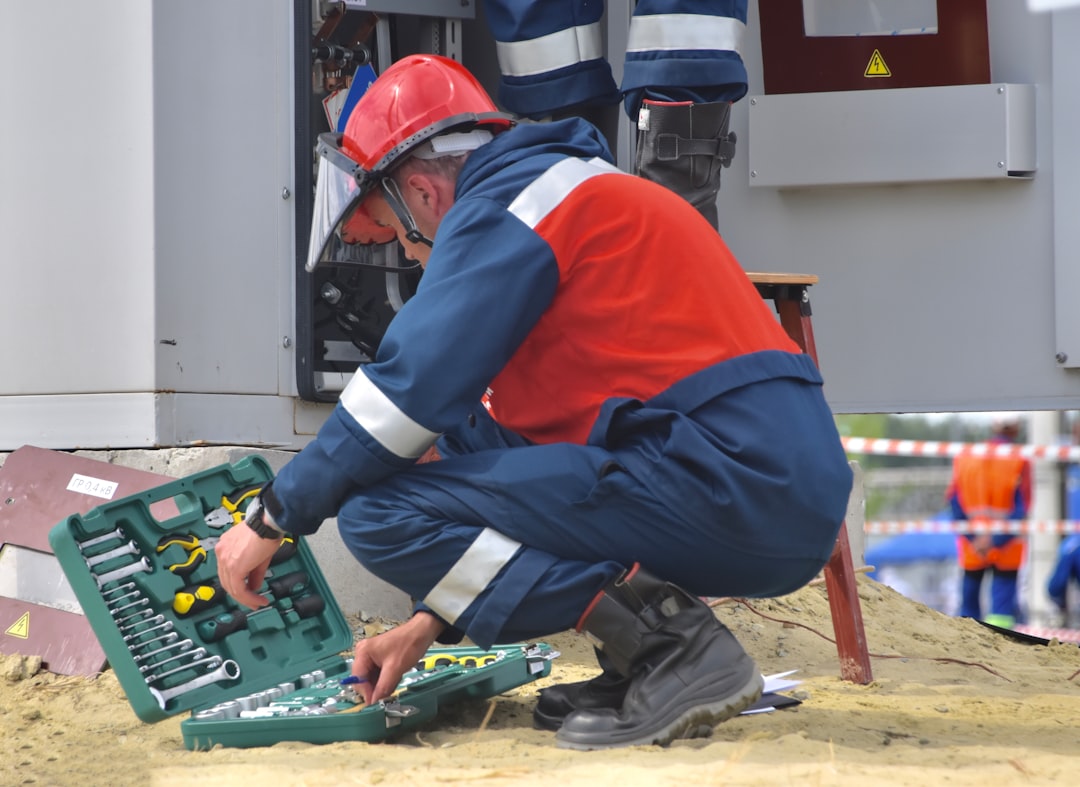
When it comes to industrial cleaning, few tasks are as vital as surface preparation. Without it, coatings, linings, and other protective measures are rendered useless, leaving substrates susceptible to corrosion, wear, and tear. Dustless blasting, a relatively modern technology, has made waves in the industry as a revolutionary method for surface preparation. In this article, we’ll delve into the world of dustless blasting in Miami, exploring its benefits, applications, and advantages over traditional methods.

1. What is Dustless Blasting?

Dustless blasting, also known as vapor blasting or wet blasting, is a non-abrasive cleaning process that utilizes a pressurized mixture of water and media, typically in the form of glass beads or ground walnut shells, to clean surfaces. Unlike traditional abrasive blasting techniques, which generate massive amounts of dust and debris, dustless blasting generates minimal to no dust emissions, making it an eco-friendly and occupationally safer alternative.

2. How Does Dustless Blasting Work?

The process begins with a thorough examination of the surface to be cleaned. The surface is then prepared by applying a specialized agent that helps the media stick to the substrate. A pressurized pump system is used to inject the mixture of water and media into a hose or lance, which is directed at the surface. The media, propelled by high-pressure jets of water, effectively lifts and removes dirt, grime, and contaminants. The water and media mix is then collected and filtered for reuse, minimizing waste and environmental impact.

3. Applications of Dustless Blasting

Dustless blasting has a wide range of applications across various industries, including:

* Construction: Cleaning concrete, steel, and other construction materials before painting or coating
* Manufacturing: Preparing surfaces for manufacturing processes, such as assembly lines or machinery installation
* Marine: Cleaning hulls, engines, and equipment on boats and ships
* Petrochemical: Cleaning piping, tanks, and other equipment in the oil and gas industry
* Transportation: Cleaning airport runways, road surfaces, and other infrastructure

4. Advantages of Dustless Blasting

Compared to traditional abrasive blasting methods, dustless blasting offers several advantages, including:

* Environmental benefits: Generates minimal dust emissions, reducing the risk of air pollution and environmental damage
* Occupational safety: Minimizes the risk of respiratory problems and other health issues associated with dust and debris inhalation
* Increased efficiency: Faster and more effective cleaning process, reducing labor costs and downtime
* Better surface preparation: Leaves surfaces free of dust, dirt, and residues, ensuring a stronger bond with coatings and linings
* Reduced waste: Saves resources by reusing the water and media mixture

5. Case Studies and Success Stories

Numerous industries have successfully employed dustless blasting, achieving impressive results. For example, a major oil refinery in the Miami area used dustless blasting to clean large equipment and piping, resulting in a 30% reduction in waste and a 25% decrease in labor costs. Similarly, a construction company in Miami Beach used dustless blasting to prep surfaces for painting, achieving a 40% reduction in paint consumption and a 20% decrease in rework.

6. Equipment and Maintenance

Dustless blasting equipment typically consists of a pressurized pump system, hoses, lances, and nozzles. Proper maintenance is crucial to ensure optimal performance and extend the lifespan of equipment. Regular cleaning, inspections, and filter replacements are essential to maintain the effectiveness and efficiency of the process.

7. Operator Safety and Training

Operator safety is paramount when using dustless blasting equipment. Training programs should cover topics such as:

* Equipment operation and maintenance
* Surface preparation and pre-treatment
* Personal protective equipment (PPE) and respiratory protection
* Hazardous material handling and emergency response
* Environmental and occupational safety considerations

8. Challenges and Limitations

While dustless blasting offers numerous benefits, it’s not without its challenges and limitations. For example:

* Surface preparation requirements: The surface must be clean, dry, and free of contaminants for optimal results
* Media selection: Choosing the right media (glass beads or ground walnut shells) for the specific surface and application is crucial
* Water consumption: Dustless blasting requires significant water resources, which may be a concern in areas with water conservation initiatives
* Equipment limitations: The size and complexity of equipment may limit its applicability to smaller or more confined spaces

9. Conclusion

Dustless blasting has revolutionized the surface preparation industry in Miami and beyond. With its eco-friendly, occupationally safer, and more efficient cleaning process, it’s no wonder this technology is gaining traction. While there are challenges and limitations, the benefits of dustless blasting far outweigh the drawbacks. As the demand for sustainable and effective cleaning methods continues to grow, dustless blasting is sure to remain a preferred choice for industries seeking to improve their surface preparation practices.

10. Future Outlook

As the industry continues to evolve, we can expect to see advancements in dustless blasting technology, equipment design, and media development. Research and development efforts will focus on improving the efficiency, effectiveness, and sustainability of the process. Additionally, growing concerns about environmental sustainability and workplace safety will drive the adoption of dustless blasting in more industries and applications, solidifying its position as a game-changer in the world of industrial cleaning.

Looking On The Bright Side of

Finding Similarities Between and Life

If You Think You Get , Then Read ThisIf You Think You Get , Then Read This

The Rise of Dustless Blasting in Miami: A Game-Changer for Industrial Cleaning

When it comes to industrial cleaning, few tasks are as vital as surface preparation. Without it, coatings, linings, and other protective measures are rendered useless, leaving substrates susceptible to corrosion, wear, and tear. Dustless blasting, a relatively modern technology, has made waves in the industry as a revolutionary method for surface preparation. In this article, we’ll delve into the world of dustless blasting in Miami, exploring its benefits, applications, and advantages over traditional methods.

1. What is Dustless Blasting?

Dustless blasting, also known as vapor blasting or wet blasting, is a non-abrasive cleaning process that utilizes a pressurized mixture of water and media, typically in the form of glass beads or ground walnut shells, to clean surfaces. Unlike traditional abrasive blasting techniques, which generate massive amounts of dust and debris, dustless blasting generates minimal to no dust emissions, making it an eco-friendly and occupationally safer alternative.

2. How Does Dustless Blasting Work?

The process begins with a thorough examination of the surface to be cleaned. The surface is then prepared by applying a specialized agent that helps the media stick to the substrate. A pressurized pump system is used to inject the mixture of water and media into a hose or lance, which is directed at the surface. The media, propelled by high-pressure jets of water, effectively lifts and removes dirt, grime, and contaminants. The water and media mix is then collected and filtered for reuse, minimizing waste and environmental impact.

3. Applications of Dustless Blasting

Dustless blasting has a wide range of applications across various industries, including:

* Construction: Cleaning concrete, steel, and other construction materials before painting or coating
* Manufacturing: Preparing surfaces for manufacturing processes, such as assembly lines or machinery installation
* Marine: Cleaning hulls, engines, and equipment on boats and ships
* Petrochemical: Cleaning piping, tanks, and other equipment in the oil and gas industry
* Transportation: Cleaning airport runways, road surfaces, and other infrastructure

4. Advantages of Dustless Blasting

Compared to traditional abrasive blasting methods, dustless blasting offers several advantages, including:

* Environmental benefits: Generates minimal dust emissions, reducing the risk of air pollution and environmental damage
* Occupational safety: Minimizes the risk of respiratory problems and other health issues associated with dust and debris inhalation
* Increased efficiency: Faster and more effective cleaning process, reducing labor costs and downtime
* Better surface preparation: Leaves surfaces free of dust, dirt, and residues, ensuring a stronger bond with coatings and linings
* Reduced waste: Saves resources by reusing the water and media mixture

5. Case Studies and Success Stories

Numerous industries have successfully employed dustless blasting, achieving impressive results. For example, a major oil refinery in the Miami area used dustless blasting to clean large equipment and piping, resulting in a 30% reduction in waste and a 25% decrease in labor costs. Similarly, a construction company in Miami Beach used dustless blasting to prep surfaces for painting, achieving a 40% reduction in paint consumption and a 20% decrease in rework.

6. Equipment and Maintenance

Dustless blasting equipment typically consists of a pressurized pump system, hoses, lances, and nozzles. Proper maintenance is crucial to ensure optimal performance and extend the lifespan of equipment. Regular cleaning, inspections, and filter replacements are essential to maintain the effectiveness and efficiency of the process.

7. Operator Safety and Training

Operator safety is paramount when using dustless blasting equipment. Training programs should cover topics such as:

* Equipment operation and maintenance
* Surface preparation and pre-treatment
* Personal protective equipment (PPE) and respiratory protection
* Hazardous material handling and emergency response
* Environmental and occupational safety considerations

8. Challenges and Limitations

While dustless blasting offers numerous benefits, it’s not without its challenges and limitations. For example:

* Surface preparation requirements: The surface must be clean, dry, and free of contaminants for optimal results
* Media selection: Choosing the right media (glass beads or ground walnut shells) for the specific surface and application is crucial
* Water consumption: Dustless blasting requires significant water resources, which may be a concern in areas with water conservation initiatives
* Equipment limitations: The size and complexity of equipment may limit its applicability to smaller or more confined spaces

9. Conclusion

Dustless blasting has revolutionized the surface preparation industry in Miami and beyond. With its eco-friendly, occupationally safer, and more efficient cleaning process, it’s no wonder this technology is gaining traction. While there are challenges and limitations, the benefits of dustless blasting far outweigh the drawbacks. As the demand for sustainable and effective cleaning methods continues to grow, dustless blasting is sure to remain a preferred choice for industries seeking to improve their surface preparation practices.

10. Future Outlook

As the industry continues to evolve, we can expect to see advancements in dustless blasting technology, equipment design, and media development. Research and development efforts will focus on improving the efficiency, effectiveness, and sustainability of the process. Additionally, growing concerns about environmental sustainability and workplace safety will drive the adoption of dustless blasting in more industries and applications, solidifying its position as a game-changer in the world of industrial cleaning.

Looking On The Bright Side of

Finding Similarities Between and Life