Hieroglyphika Personal Product & Services If You Think You Understand , Then Read This

If You Think You Understand , Then Read This

Siding Specialist: What You Need to Know

When it pertains to home improvement, the exterior of your house plays an essential duty in both aesthetic appeals and protection. One of the very best means to improve your home’s curb appeal and keep its structural integrity is by employing a specialist exterior siding professional. Understanding the importance of this option gears up homeowners to make enlightened choices about their house siding installment or replacement projects.

A home siding service provider concentrates on the installment, repair work, and maintenance of numerous kinds of house siding products, including vinyl, timber, fiber concrete, and a lot more. Choosing the appropriate siding not only adds to the total appearance of your home yet additionally includes insulation and can considerably boost energy performance. A qualified service provider can assist you with the numerous options offered, guaranteeing you select the material that fulfills both your aesthetic preferences and financial restrictions.

Among the significant benefits of employing an exterior siding contractor is their experience and knowledge. These professionals are educated to recognize the nuances of house siding applications and can determine prospective problems that may occur during the installation process. By relying upon their skills, house owners can avoid usual risks that can lead to pricey repair work later. Furthermore, respectable specialists usually give service warranties on their handiwork, giving house owners satisfaction regarding the sturdiness of their financial investments.

Another essential aspect of collaborating with home siding specialists is their accessibility to top notch products and tools. Unlike a regular do it yourself approach, professionals can source long lasting exterior siding materials at competitive rates while making certain correct setup techniques are complied with. This adds not only to the long life of the siding yet likewise boosts the overall visual allure of your home. Moreover, professionals generally abide by neighborhood building ordinance and guidelines, which is vital for preventing any kind of lawful and safety problems later on.

In conclusion, investing in a specialist house siding contractor can considerably boost your home’s outside while providing vital security against the aspects. From picking the appropriate materials to ensuring correct installment, the benefits of employing a professional much outweigh the prices of a do it yourself job. Put in the time to study and pick a reliable contractor to enjoy an attractive, effective, and lasting house siding service for your home.

The Essentials of – Breaking Down the Basics

Study: My Understanding of

Leave a Reply

Your email address will not be published. Required fields are marked *

Related Post

Smart Tips For FindingSmart Tips For Finding

Navigating the World of Driver Education: A Path to Safer Roads

As a prospective driver, navigating the complexities of the road can be overwhelming. One of the most crucial steps in becoming a licensed driver is enrolling in a reliable driver education program. For residents of Nassau County, NY, accessing quality driver education is essential for acquiring the skills and knowledge necessary to drive safely and confidently. In this comprehensive guide, explore what you need to know about selecting the right driver education program for your needs.

To begin with, it is essential to research local driver education options in your area. Utilize online directories or visit local schools to gather information on their driver education programs. You want to find an institution that caters to your needs and provides a supportive learning environment. Look for programs that offer flexible scheduling options, allowing you to balance your academic and extracurricular obligations with your driving education.

Once you’ve identified a suitable driver education program, consider the qualifications of the instructors. Check if they are certified by the state or have extensive experience in teaching driving skills. A qualified instructor can make a significant difference in your learning experience, providing personalized attention and expert guidance throughout the course. When selecting an instructor, pay attention to their teaching style and ensure it aligns with your learning preferences.

As you enroll in a driver education program, familiarize yourself with the curriculum and course structure. Most programs cover fundamental driving skills, traffic laws, and road safety. Additionally, many programs incorporate defensive driving techniques, first aid, and emergency procedures. You want to ensure the curriculum covers essential topics and is comprehensive enough to provide you with a solid foundation in driving.

Driving an instructors-led class or small group setting will provide you a much better learning result compared to taking classes that require such a large number or students per instructor. You will get greater support leading up to each written and driving test.

You also want to look at how open the instructors are with new student. Were they openly answering your numerous questions including before and after class and were they willing to work with your schedule allowing you to adjust to better serve the needs of you in a driving school.

Once you’ve started your driver education program, keep track of your progress and stay organized. Regular check-ins with your instructor can help you stay on top of your coursework and adjust to any challenges you may face. To ensure you’re well-prepared for the driving test, secure a copy of your driver’s manual and review its content regularly.

Addressing and managing practice time in a driver education school is going to be one of the most important things when building good habits following and driving with your instructor. Keep the two practices intertwined learning each proper driving procedure or operation to reinforce the learning of the day and not treating practice by a “vehicle standing still waiting to drive on the road.” Your instructor have and should enforce the proper methods and safety guidelines when driving in practice setting.

While driver education is essential, it’s equally important to focus on safe driving practices, both on and off the road. A study by the Insurance Institute for Highway Safety found that young drivers who received safe driving instruction demonstrated significantly lower rates of speeding and were less likely to be involved in crashes. By adopting safe driving habits and learning from your instructor, you can reduce the risk of accidents and become a confident and responsible driver.

In conclusion, selecting the right driver education program is a crucial step in becoming a licensed driver. By doing your research, choosing a qualified instructor, and focusing on comprehensive coursework, you can set yourself up for success on the road. Remember to stay organized, practice regularly, and incorporate safe driving habits into your daily routine. With dedication and the right support, you’ll be well on your way to becoming a skilled and safe driver, navigating the world of roads with confidence and poise.

What I Can Teach You About

What I Can Teach You About

The 4 Most Unanswered Questions aboutThe 4 Most Unanswered Questions about

The Power of Spinal Decompression: A Guide to Relieving Back Pain in Lake Worth, Florida

As we go about our daily lives, our spines work tirelessly to support our bodies, allowing us to move, bend, and twist with ease. However, due to various factors such as poor posture, injury, or degenerative conditions, our spines can become compressed, leading to a range of painful and debilitating symptoms. In Lake Worth, Florida, spinal decompression has emerged as a highly effective treatment option for relieving back pain and restoring spinal health.

What is Spinal Decompression?

Spinal decompression is a non-invasive, non-surgical treatment that involves the use of specialized equipment to gently stretch and decompress the spine. This process helps to relieve pressure on the spinal discs, facet joints, and surrounding muscles, allowing for a reduction in pain and inflammation. By decompressing the spine, spinal decompression therapy can help to restore proper spinal alignment, improve range of motion, and reduce pressure on the spinal nerves.

The Benefits of Spinal Decompression

Spinal decompression has been shown to be highly effective in relieving a range of back pain symptoms, including:

1. Chronic back pain: Spinal decompression can help to reduce chronic back pain by decompressing the spine and relieving pressure on the spinal discs and facet joints.
2. Herniated discs: By reducing pressure on the spinal discs, spinal decompression can help to alleviate symptoms associated with herniated discs, such as pain, numbness, and tingling.
3. Sciatica: Spinal decompression can help to relieve pressure on the sciatic nerve, reducing symptoms of sciatica, such as pain, numbness, and tingling in the legs.
4. Stenosis: Spinal decompression can help to relieve pressure on the spinal canal, reducing symptoms of spinal stenosis, such as pain, numbness, and tingling in the legs.
5. Scoliosis: Spinal decompression can help to improve spinal alignment and reduce symptoms associated with scoliosis, such as back pain and limited mobility.

How Does Spinal Decompression Work?

Spinal decompression works by using a combination of gentle stretching and traction to decompress the spine. The process typically involves the following steps:

1. Initial Assessment: A thorough assessment is conducted to identify the underlying causes of back pain and determine the best course of treatment.
2. Treatment: The patient is positioned on a specialized table, and the therapist applies gentle traction to the spine, using a combination of manual therapy and mechanical devices.
3. Decompression: The therapist uses a combination of slow, controlled movements and gentle stretching to decompress the spine, relieving pressure on the spinal discs, facet joints, and surrounding muscles.
4. Relaxation: The patient is encouraged to relax and breathe deeply, allowing the body to respond to the decompression therapy.

What to Expect During a Spinal Decompression Treatment

During a spinal decompression treatment, you can expect the following:

1. Initial Assessment: The therapist will conduct a thorough assessment to identify the underlying causes of back pain and determine the best course of treatment.
2. Treatment: The therapist will apply gentle traction to the spine, using a combination of manual therapy and mechanical devices.
3. Decompression: The therapist will use a combination of slow, controlled movements and gentle stretching to decompress the spine, relieving pressure on the spinal discs, facet joints, and surrounding muscles.
4. Relaxation: You will be encouraged to relax and breathe deeply, allowing your body to respond to the decompression therapy.
5. Follow-up: The therapist will provide guidance on how to maintain the benefits of spinal decompression therapy and may recommend additional treatments or exercises to support your recovery.

Is Spinal Decompression Right for You?

Spinal decompression is a highly effective treatment option for relieving back pain and restoring spinal health. However, it is essential to consult with a qualified healthcare professional to determine if spinal decompression is right for you. Factors that may make spinal decompression an effective treatment option for you include:

1. Chronic back pain: If you are experiencing chronic back pain, spinal decompression may be an effective treatment option for relieving pain and improving spinal alignment.
2. Herniated discs: If you have a herniated disc, spinal decompression can help to alleviate symptoms and reduce pressure on the spinal discs.
3. Sciatica: If you are experiencing symptoms of sciatica, spinal decompression can help to relieve pressure on the sciatic nerve and reduce symptoms.
4. Scoliosis: If you have scoliosis, spinal decompression can help to improve spinal alignment and reduce symptoms associated with the condition.

Conclusion

Spinal decompression is a highly effective treatment option for relieving back pain and restoring spinal health. By gently stretching and decompressing the spine, spinal decompression therapy can help to reduce pressure on the spinal discs, facet joints, and surrounding muscles, alleviating symptoms of chronic back pain, herniated discs, sciatica, and scoliosis. If you are experiencing back pain or other spinal-related symptoms, consider consulting with a qualified healthcare professional to determine if spinal decompression is right for you.

Smart Ideas: Revisited

Practical and Helpful Tips:

What Do You Know AboutWhat Do You Know About

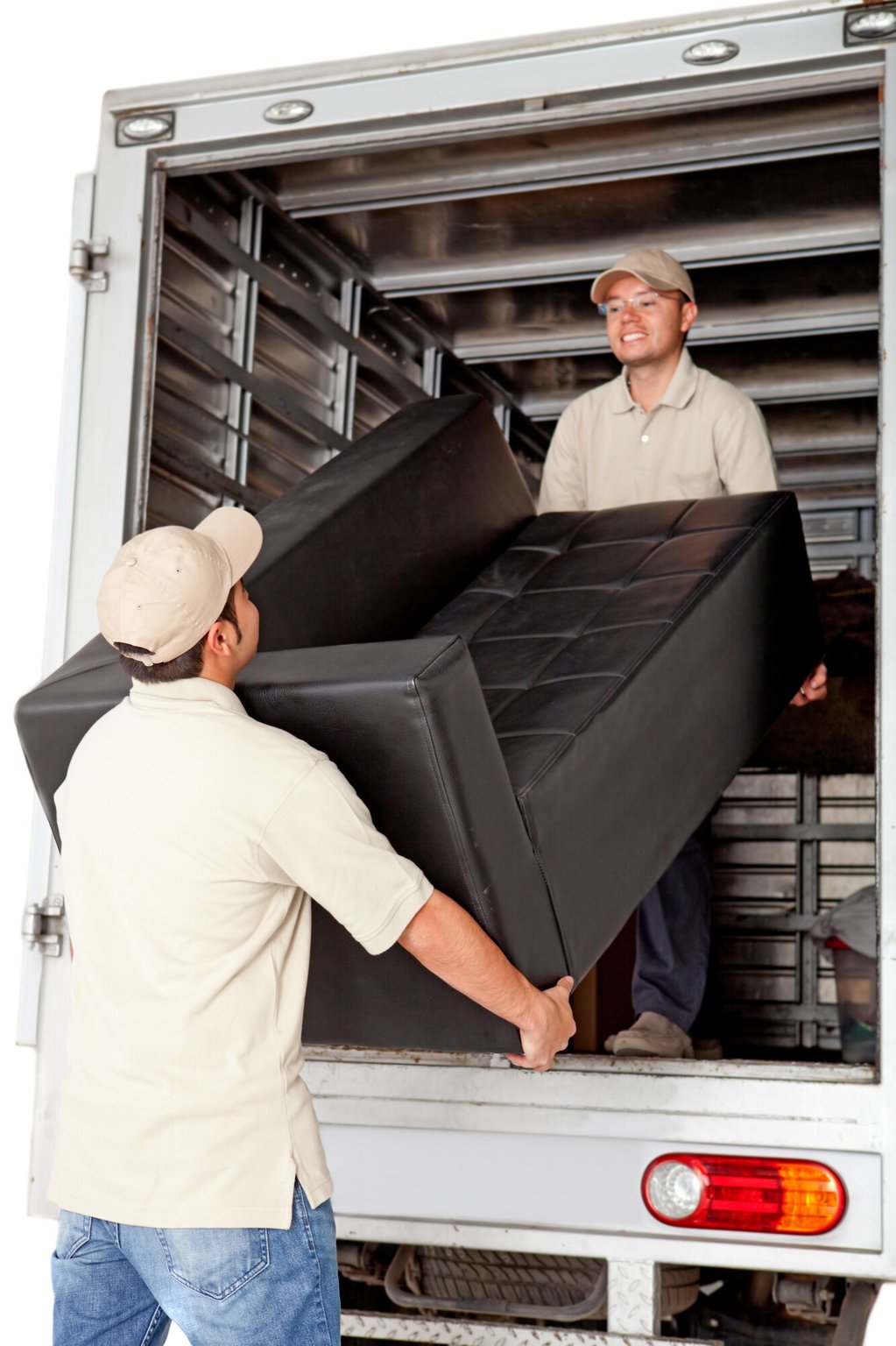
Efficient Unloading and Stockpiling: The Backbone of a Smooth Supply Chain Operation

When it comes to managing a supply chain, there are several crucial steps that can make or break the entire operation. Two of the most critical stages in this process are unloading and stockpiling. These two processes are often overlooked, but they play a vital role in ensuring that goods are delivered to customers on time and in good condition. In this article, we will delve into the importance of efficient unloading and stockpiling, and provide you with some valuable tips on how to optimize these processes.

The Unloading Process: More Than Just Unpacking

Unloading is often viewed as a simple process of removing goods from a truck, ship, or train. However, it is much more complex than that. Unloading involves a series of steps, including inspecting the goods, checking for damage, and verifying the quantity and quality of the products. This process requires careful planning, coordination, and execution to ensure that goods are handled with care and efficiency. A well-planned unloading process can help reduce the risk of damage, minimize delays, and improve overall supply chain efficiency.

The Importance of Proper Unloading Techniques

Proper unloading techniques are essential to prevent damage to goods and equipment. You should always ensure that your staff is trained in the correct unloading procedures, including how to handle fragile items, operate heavy machinery, and navigate tight spaces. Additionally, you should invest in the right equipment, such as forklifts, pallet jacks, and conveyor belts, to facilitate the unloading process. By using the right techniques and equipment, you can reduce the risk of accidents, injuries, and product damage.

Stockpiling: The Key to Efficient Inventory Management

Stockpiling is the process of storing goods in a warehouse or storage facility until they are needed. This process is critical to efficient inventory management, as it allows you to keep track of your stock levels, manage inventory turnover, and optimize storage space. A well-organized stockpiling system can help you reduce inventory costs, improve order fulfillment rates, and enhance customer satisfaction.

The Benefits of Proper Stockpiling

Proper stockpiling offers several benefits, including improved inventory accuracy, reduced stockouts, and enhanced order fulfillment rates. When goods are stored in a well-organized and easily accessible manner, you can quickly locate and retrieve items as needed, reducing the risk of stockouts and delays. Additionally, a well-organized stockpiling system can help you identify slow-moving items, allowing you to optimize your inventory levels and reduce waste.

Common Challenges in Unloading and Stockpiling

Despite the importance of unloading and stockpiling, many businesses face challenges in these areas. One of the most common challenges is inadequate training, which can lead to accidents, injuries, and product damage. Another challenge is insufficient equipment, which can slow down the unloading process and increase labor costs. Additionally, poor inventory management systems can lead to stockouts, overstocking, and inefficient use of storage space.

Optimizing Unloading and Stockpiling Operations

To optimize unloading and stockpiling operations, you should focus on improving efficiency, reducing costs, and enhancing customer satisfaction. One way to achieve this is by implementing a warehouse management system (WMS) that can help you track inventory levels, manage storage space, and optimize order fulfillment rates. You should also invest in staff training programs to ensure that your employees have the skills and knowledge needed to handle goods with care and efficiency.

The Role of Technology in Unloading and Stockpiling

Technology plays a critical role in optimizing unloading and stockpiling operations. Warehouse management systems, barcode scanners, and RFID tags can help you track inventory levels, manage storage space, and optimize order fulfillment rates. Additionally, automation technologies, such as conveyor belts and robotic palletizers, can help you streamline the unloading process, reduce labor costs, and improve efficiency.

Best Practices for Efficient Unloading and Stockpiling

To ensure efficient unloading and stockpiling operations, you should follow best practices such as implementing a first-in, first-out (FIFO) inventory system, using clear and concise labeling, and maintaining a clean and organized warehouse. You should also establish a regular inventory audit process to identify slow-moving items, optimize storage space, and reduce waste. By following these best practices, you can improve inventory accuracy, reduce stockouts, and enhance customer satisfaction.

In conclusion, efficient unloading and stockpiling are critical components of a smooth supply chain operation. By implementing proper unloading techniques, optimizing stockpiling operations, and leveraging technology, you can improve inventory accuracy, reduce stockouts, and enhance customer satisfaction. Remember to focus on improving efficiency, reducing costs, and enhancing customer satisfaction, and always follow best practices to ensure efficient unloading and stockpiling operations.

Why Aren’t As Bad As You Think

How to Achieve Maximum Success with