Hieroglyphika Financial A Quick Overlook of – Your Cheatsheet

A Quick Overlook of – Your Cheatsheet

Water Damage Restoration: Essential Steps for Recovery

Water damage can be a homeowner’s worst nightmare, often resulting from various causes such as heavy rainfall, burst pipes, or even appliance malfunctions. It doesn’t just pose a risk to the structure of your home, but it can also lead to health issues due to mold and mildew. Understanding the key steps in water damage restoration can help you mitigate damage and restore your property to its original state efficiently.

The first step in any water damage restoration process is to assess the extent of the damage. It is crucial to determine where the water is coming from and how far it has spread. This evaluation helps in deciding the best course of action. While minor leaks and spills can often be managed personally, significant flooding or structural compromise usually requires the expertise of a professional restoration service. These experts use advanced technology to detect hidden moisture and evaluate the full extent of the damage.

Once the assessment is complete, the drying process can begin. This involves removing all standing water and drying out affected areas thoroughly to prevent further damage and mold growth. Professional restorers typically employ industrial-grade dehumidifiers, blowers, and a variety of techniques to expedite this process. It’s vital to act quickly; the longer water sits, the greater the potential for extensive damage, which can lead to costly repairs.

After drying, the next steps involve cleaning and sanitizing the area. Water, particularly if it comes from sewage or flooding, can carry contaminants that pose health risks. Therefore, it’s essential to follow strict cleaning and disinfection protocols. Using appropriate cleaning agents and methods will help ensure that the area is safe and habitable again. Additionally, any damaged materials that cannot be restored, such as drywall, insulation, or carpeting, may need to be removed and replaced.

Finally, the last phase of water damage restoration is to restore your home to its pre-damage condition. This may include repairs, renovations, or complete replacements of affected areas. Whether it’s repainting walls, replacing flooring, or making structural repairs, this step is essential to ensure that your home is both functional and aesthetically pleasing once again. Remember, addressing water damage promptly and thoroughly can save you from more significant issues down the line, so don’t hesitate to reach out for professional help when needed.

In conclusion, water damage restoration is a critical process that involves assessment, drying, cleaning, and restoration. Whether you are facing a small leak or significant flooding, understanding these steps can empower you to take swift action. The key is to act quickly, as this will help minimize damage and reduce the cost of repairs. Always consider enlisting the assistance of professionals who have the tools and expertise to manage the situation effectively, ensuring your home is safe and back to normal as soon as possible.

What Has Changed Recently With ?

Lessons Learned About

Leave a Reply

Your email address will not be published. Required fields are marked *

Related Post

Getting Down To Basics withGetting Down To Basics with

The Importance of Expert Bug Control Provider

Managing bugs in your home or workplace can be a challenging and aggravating experience. Whether you’re dealing with a termite problem, a rodent issue, or a swarm of pesky mosquitoes, it’s vital to attend to the issue without delay and successfully. While there are countless DIY approaches and over-the-counter solutions readily available, one of the most trusted way to tackle a pest trouble is by getting the aid of expert bug control services.

Specialist bug control firms have the expertise, experience, and devices required to determine the sort of insects infesting your building and implement targeted services to eradicate them. Unlike DIY methods that might only offer short-lived relief, pest control experts use lasting options to guarantee that your home or service continues to be pest-free.

Another substantial advantage of working with expert pest control solutions is the focus on safety and security. Bug control experts are educated to deal with possibly damaging chemicals and recognize just how to apply them securely to shield you, your family, your pet dogs, and the setting. They likewise take steps to stop future invasions, advertising a healthy and pest-free living or workplace.

Furthermore, specialist parasite control services can save you money and time in the long run. While it may appear more cost-effective to try and tackle the issue on your own, inefficient techniques can bring about recurring invasions, residential or commercial property damages, and costly repair services. By investing in expert pest control services, you can guarantee that the problem is resolved properly the very first time, conserving you from continuous expenses and stress and anxiety.

On the whole, when it involves managing bugs, the advantages of hiring specialist pest control solutions far exceed the prices. From effective services and long-lasting prevention to safety and satisfaction, professional pest control business can assist you redeem your space and keep a pest-free setting for years ahead.

Valuable Lessons I’ve Learned About

6 Facts About Everyone Thinks Are True

Why No One Talks About AnymoreWhy No One Talks About Anymore

The Significance of Choosing the Right Roofing Company

When it pertains to home improvement, roof is one of the most considerable aspects that house owners should prioritize. A tough, well-installed roof safeguards your home from the components and enhances its total worth. However, selecting the ideal roof company can be an overwhelming task, provided the wide variety of alternatives readily available. It’s necessary to think about numerous variables to guarantee that your roof covering job is finished efficiently and to the highest possible standard.

One of the key considerations should be the company’s experience and credibility in the sector. A roof company with a long history is most likely to have refined its abilities and gathered count on within the neighborhood. Searching for client testimonials and testimonials can provide important understandings into the business’s reliability and top quality of solution. It’s constantly a good idea to speak with neighbors or buddies who have had similar job done, as personal recommendations lug a lot of weight.

Licensing and insurance are critical facets that ought to never be overlooked. A specialist roof company must possess the needed licenses to run in your area, guaranteeing that they follow local building ordinance and guidelines. In addition, the business should have ample insurance coverage to safeguard you in case of accidents or damages throughout the task. Asking about guarantees on both materials and labor can additionally offer you peace of mind that your investment is secured.

Expense is another necessary variable when selecting a roof company, however it ought to not be the only consideration. While it’s appealing to select the most affordable bid, this might cause poor-quality handiwork or materials. Rather, demand outlined written price quotes from numerous business that outline the extent of work to be finished. This openness will help you make an extra informed choice without sacrificing top quality for cost.

Finally, choosing the appropriate roof covering company is important for the safety and longevity of your home. By considering the business’s experience, credibility, licensing, insurance policy, and expense, you can guarantee a successful roof job that fulfills your assumptions. Putting in the time to research and compare your options will eventually lead you to a competent roofing contractor, giving you with the assurance that comes from understanding your home is well-protected.

A Simple Plan:

Getting To The Point –

5 Key Takeaways on the Road to Dominating5 Key Takeaways on the Road to Dominating

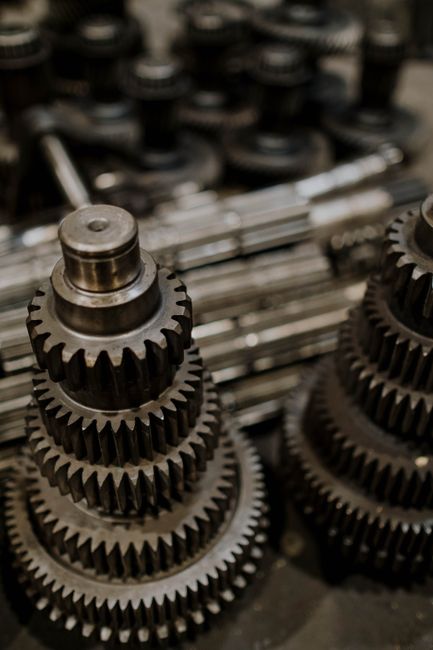
“Manufacturing the Future: The Evolution of Industrial Parts”

In today’s fast-paced industrial landscape, the demand for high-quality industrial parts has never been higher. As technology continues to advance and industries become increasingly interconnected, the need for reliable and efficient components has become a top priority. From machinery and equipment to vehicles and infrastructure, industrial parts play a critical role in the production and maintenance of a wide range of products and systems.

One of the most significant challenges facing manufacturers today is the need to balance quality and cost. As companies strive to reduce costs and increase efficiency, they must also ensure that their industrial parts meet the highest standards of quality and performance. This requires a deep understanding of the materials and manufacturing processes used to produce these components, as well as a commitment to continuous improvement and innovation.

In recent years, advances in materials science and manufacturing technology have enabled the development of new and improved industrial parts. For example, the use of advanced materials such as titanium and carbon fiber has enabled the creation of lighter, stronger, and more durable components. Similarly, the adoption of 3D printing and other additive manufacturing techniques has allowed for the production of complex geometries and customized parts that were previously impossible to manufacture.

Another key trend in the industrial parts industry is the increasing importance of sustainability. As companies seek to reduce their environmental impact and meet growing demands for eco-friendly products, the need for sustainable industrial parts has become a major focus. This includes the development of parts made from recycled materials, as well as the use of environmentally friendly manufacturing processes and supply chain practices.

In addition to these trends, the industrial parts industry is also being driven by the growing demand for customization and precision. As industries become increasingly specialized and complex, the need for customized industrial parts that meet specific requirements has become a major priority. This requires manufacturers to be able to produce parts with precise tolerances and customized features, while also ensuring that these parts meet the highest standards of quality and performance.

To meet these demands, manufacturers are turning to advanced technologies such as computer-aided design (CAD) and computer-aided manufacturing (CAM). These technologies enable the creation of complex designs and precise manufacturing processes, allowing manufacturers to produce high-quality industrial parts with greater speed and accuracy.

Another key factor driving the industrial parts industry is the growing importance of data analytics and IoT (Internet of Things) technology. As industries become increasingly connected and data-driven, the need for industrial parts that can collect and transmit data in real-time has become a major focus. This includes the development of sensors and other IoT-enabled components that can monitor and control industrial processes, as well as the use of data analytics to optimize manufacturing processes and improve product performance.

In conclusion, the industrial parts industry is undergoing a significant transformation driven by advances in technology, sustainability, customization, and data analytics. As companies seek to reduce costs, improve efficiency, and meet growing demands for eco-friendly products, the need for high-quality industrial parts has never been higher. By embracing these trends and leveraging advanced technologies and manufacturing processes, manufacturers can ensure that their industrial parts meet the highest standards of quality and performance, while also driving innovation and growth in the industry.

In the future, it is likely that the industrial parts industry will continue to evolve and adapt to changing market demands and technological advancements. As companies seek to stay ahead of the curve and meet growing demands for customization, sustainability, and precision, the need for innovative and high-quality industrial parts will only continue to grow. By embracing these trends and leveraging advanced technologies and manufacturing processes, manufacturers can ensure that their industrial parts meet the highest standards of quality and performance, while also driving innovation and growth in the industry.

Why No One Talks About Anymore

Lessons Learned from Years with