Hieroglyphika Health & Fitness The Beginner’s Guide to

The Beginner’s Guide to

Understanding the Role of Electrical Contractors

Electrical contractors play a vital role in the construction and maintenance of electrical systems in various settings, from residential homes to large commercial buildings. These professionals are responsible for everything from installing wiring and lighting to ensuring that electrical systems comply with local codes and regulations. As the demand for skilled labor in the construction industry continues to grow, understanding the importance and functions of electrical contractors becomes increasingly essential.

One of the primary responsibilities of electrical contractors is to plan and execute electrical installations. This involves not only following blueprints and schematics but also coordinating with other construction professionals to ensure that the electrical work is completed on time and within budget. Electrical contractors must also stay updated on the latest technologies and techniques in the industry to offer the best solutions to their clients.

In addition to installation, electrical contractors often provide maintenance and repair services. Regular maintenance helps to extend the life of electrical systems and ensures they operate safely and efficiently. In emergency situations, electrical contractors are crucial for troubleshooting and resolving issues quickly, minimizing downtime for businesses and homeowners alike. Their expertise ensures that both routine maintenance and unexpected repairs are handled proficiently.

Licensing and certifications are critical aspects of being an electrical contractor. These credentials not only demonstrate a contractor’s knowledge and skills but also assure clients of their reliability and professionalism. Most regions require electrical contractors to be licensed, which involves passing exams and completing a specified number of training hours. This legal backing provides peace of mind to customers and helps to uphold high safety standards in the industry.

In conclusion, electrical contractors are essential to the functionality and safety of electrical systems across various sectors. Their expertise in installation, maintenance, and repair ensures that both residential and commercial properties meet required standards and operate smoothly. As technology continues to evolve, the role of electrical contractors will only become more significant, highlighting the need for skilled professionals in the industry.

Finding Ways To Keep Up With

Finding Ways To Keep Up With

Leave a Reply

Your email address will not be published. Required fields are marked *

Related Post

Questions About You Must Know the Answers ToQuestions About You Must Know the Answers To

Choosing the Right Deck Builder for Your Home Project

Building a deck can significantly enhance your outdoor space, providing a perfect area for relaxation, entertaining, and enjoying the beauty of your surroundings. However, selecting the right deck builder is crucial in ensuring the project runs smoothly and meets your expectations. With so many options available, how do you choose the best professional for the job? This article outlines essential factors to consider when selecting a deck builder, ensuring your investment is in safe hands.

First and foremost, experience and expertise play a vital role in identifying a reliable deck builder. Look for contractors who have a strong portfolio and years of experience in constructing various types of decks, such as wood, composite, or PVC. Check their references and previous projects, and don’t hesitate to ask for photos or even visit some of their completed works. A reputable deck builder should be proud of their craftsmanship and willing to showcase their skills.

Another crucial factor is verifying credentials. Always choose a deck builder who is licensed and insured. A valid license indicates that the contractor has met local regulatory requirements and possesses the necessary skills to perform the job. Insurance protects you and your property in the event of accidents or damages during the construction process. Request copies of both the license and insurance policy to ensure authenticity and keep yourself protected throughout the project.

Don’t underestimate the importance of communication and customer service when selecting a deck builder. A good contractor will listen to your ideas, provide recommendations, and keep you informed throughout the construction process. They should be approachable and responsive to your queries, as this creates a trusting relationship and ensures that your vision aligns with their execution. Schedule meetings to discuss your project, and pay attention to how they communicate and whether they understand your needs.

Finally, obtain detailed written estimates from multiple deck builders before making your decision. This will not only give you a benchmark for pricing but also allow you to compare the scope of work, materials, and timelines each contractor proposes. While it’s tempting to choose the lowest bid, consider quality and reputation as more significant factors. The right deck builder will provide a balance of affordability without compromising the quality of work.

In conclusion, hiring the right deck builder can make a significant difference in the success of your project. By considering experience, credentials, communication, and detailed estimates, you can ensure that your outdoor dream becomes a reality. Investing time in selecting the right professional will pay off in the long run, leading to a beautiful, functional, and durable deck that adds value to your home and enhances your outdoor living experience.

Study: My Understanding of

How I Achieved Maximum Success with

Lessons Learned AboutLessons Learned About

Essential Tree Services for a Healthy Landscape

Maintaining the trees in your landscape is crucial for both aesthetic appeal and environmental health. Tree services can enhance the beauty of your property, promote the growth of healthy trees, and ensure safety by removing hazards. Whether you have large oaks, delicate dogwoods, or blooming cherry trees, professional tree care is necessary to keep them flourishing and vibrant.

One of the primary services offered by tree care professionals is tree trimming and pruning. Regular trimming helps to remove dead or diseased branches, allowing healthy growth and improving the tree’s shape and appearance. Pruning during the right season can stimulate growth, promote flowering, and reduce the risk of disease by improving air circulation in the canopy. Furthermore, strategic pruning can enhance the safety of your property by removing branches that may pose a risk during storms or high winds.

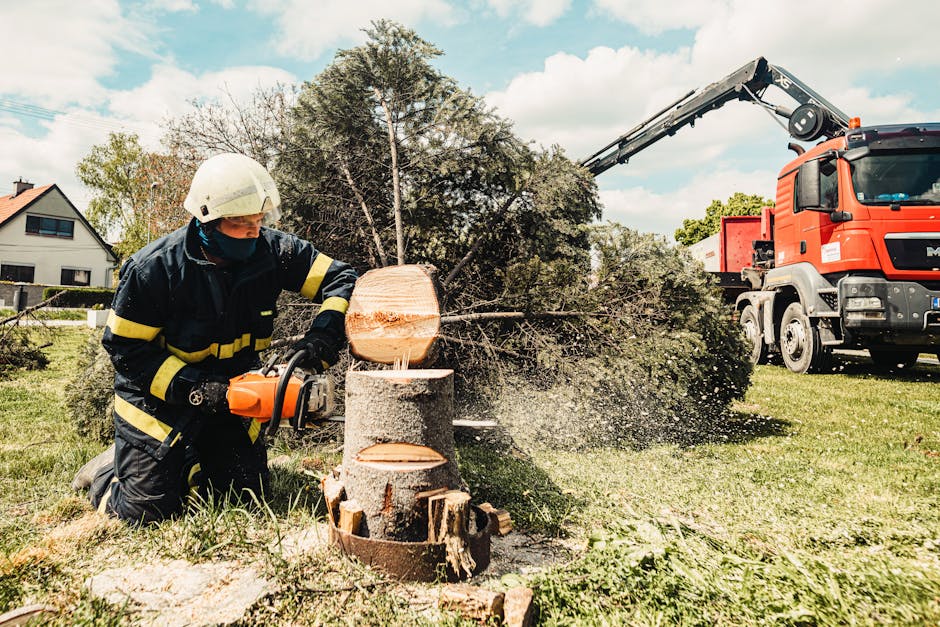
Another essential tree service is tree removal. When a tree becomes diseased, unstable, or poses a risk to nearby structures or people, professional removal is necessary. Tree removal experts utilize specialized techniques and equipment to safely cut down and remove trees without causing damage to surrounding areas. They also ensure that the entire root system is properly addressed to prevent future growth issues. This service is crucial for maintaining a safe and healthy environment around your property.

Stump grinding and removal is often a follow-up service after a tree is cut down. When a tree is removed, the base of the tree, or the stump, can remain, creating an unsightly hazard in your yard. Tree service professionals can grind down this stump below ground level, allowing for a cleaner landscape. This service not only improves aesthetics but also prevents potential pest infestations and provides space for future landscaping projects.

In conclusion, investing in professional tree services offers long-term benefits for your landscape and safety. From trimming and pruning to tree removal and stump grinding, these services ensure that your trees remain healthy, aesthetically pleasing, and safe for your property. Regular tree care can significantly enhance the overall value and beauty of your home while also promoting environmental sustainability. Don’t hesitate to reach out to tree service professionals to keep your landscape in tip-top shape.

A Quick History of

Overwhelmed by the Complexity of ? This May Help

Figuring OutFiguring Out

Operating a small vessel is both a responsibility and a skill that requires proper training and certification. One of the key certifications for small vessel operators, especially in Canada, is the Small Vessel Operator Proficiency (SVOP) certificate. SVOP training is designed to provide the necessary knowledge and skills for safely operating vessels under 5 Gross Tonnage (GT), primarily in commercial contexts. In this article, we will explore what SVOP training is, who needs it, and what it covers, as well as its importance in maritime safety.

What is SVOP?
SVOP stands for Small Vessel Operator Proficiency, a certification that allows individuals to operate commercial vessels under 5 GT. These vessels are often used for various purposes, such as fishing, passenger transport, sightseeing tours, and other marine services. The certification is mandatory in Canada for anyone operating small vessels for commercial purposes, and it is regulated by Transport Canada.

SVOP training is a formal course that equips individuals with the knowledge and skills to safely operate small vessels in inland waters, rivers, and coastal areas. The certification is specifically aimed at vessels that are not more than 24 meters in length and that operate without the requirement for a full marine crew. However, it does not apply to large commercial ships or complex offshore operations.

Who Needs SVOP Training?
SVOP training is essential for anyone who plans to operate a small commercial vessel. This includes:

Tour Operators: Individuals operating boats for tourist activities, such as whale watching, fishing tours, and sightseeing, need to have an SVOP certificate to ensure the safety of passengers and crew.

Fishermen: Many commercial fishermen use small vessels for their operations. SVOP training ensures they have the knowledge to operate their boats safely and navigate waters effectively.

Passenger Transport Operators: People who transport passengers for work-related purposes, such as ferries or shuttle services, must complete SVOP training.

Marine Workers: Workers in industries like construction, scientific research, or environmental monitoring, who need to operate small vessels for their tasks, will benefit from SVOP certification.

Government Agencies: Employees working for government agencies, such as fisheries officers or wildlife inspectors, often need SVOP training to operate small vessels in the course of their duties.

SVOP certification is also necessary for any individual operating a small commercial vessel in Canadian waters where no other certification, like a Master’s Certificate or higher-level license, is required.

What Does SVOP Training Cover?
SVOP training covers a broad range of topics to ensure the safe operation of small vessels. The training program includes both theoretical and practical components that equip operators with the essential skills and knowledge to handle various situations on the water.

Some of the main areas covered in the SVOP course include:

1. Basic Navigation and Seamanship
Operators must understand the principles of navigation to safely move a vessel through waterways. This includes understanding charts, the use of GPS and other navigation tools, and how to read and interpret the weather. Seamanship skills include basic boat handling, docking, anchoring, and dealing with common challenges such as strong currents or heavy winds.

2. Safety Regulations
SVOP training ensures that vessel operators are familiar with the safety requirements set by Transport Canada. This includes understanding life-saving equipment, fire extinguishers, flares, and other safety gear that must be onboard. Trainees also learn how to conduct safety drills and ensure that all passengers know what to do in an emergency.

3. Emergency Procedures
Knowing how to respond in emergency situations is crucial for anyone operating a small vessel. The SVOP course teaches operators how to handle emergencies such as man-overboard situations, fires, and collisions. Trainees also learn about first aid procedures and how to communicate with rescue services.

4. Collision Regulations
The International Regulations for Preventing Collisions at Sea (COLREGs) are covered in SVOP training. These rules help operators understand how to avoid collisions with other vessels by following the right-of-way rules, using proper lighting, and understanding the signals used at sea.

5. Vessel Maintenance
Basic vessel maintenance is an important part of SVOP training. Operators must know how to check the condition of their vessel, perform routine maintenance, and identify potential issues before they become serious problems. Proper maintenance ensures the longevity of the vessel and the safety of those on board.

6. Weather and Water Conditions
Weather can change quickly on the water, and it’s essential for operators to understand how to read weather forecasts and recognize changes in weather patterns.

The Path To Finding Better

Finding Ways To Keep Up With