Hieroglyphika Business Products & Services A Quick Overlook of – Your Cheatsheet

A Quick Overlook of – Your Cheatsheet

Why Study Drama?

Studying drama offers a multitude of benefits that extend far beyond the stage. Engaging in drama education enriches one’s life by enhancing communication skills, fostering creativity, and building empathy. It also plays a significant role in personal and academic development, making it a valuable addition to any educational curriculum.

One of the most profound benefits of studying drama is the improvement in communication skills. Drama requires individuals to articulate their thoughts and emotions clearly and effectively. Through exercises in dialogue, monologue, and performance, students learn to express themselves confidently and persuasively. This skill is invaluable in everyday life, from making presentations in school or work to engaging in meaningful conversations in social settings. Moreover, the ability to understand and convey complex emotions through words and body language can greatly enhance interpersonal relationships.

Creativity is another significant benefit of studying drama. Drama encourages imaginative thinking and problem-solving. It allows students to explore different perspectives and experiment with new ideas. This creative exploration is not only fulfilling on a personal level but also valuable in professional settings where innovative thinking is prized. Drama provides a safe space for students to take risks, make mistakes, and learn from them, which is essential for creative growth. Engaging in improvisation, for example, helps students think on their feet and develop quick, inventive responses to unexpected situations.

Empathy is a critical life skill that drama education fosters. By stepping into different characters’ shoes, students gain insight into various human experiences and emotions. This practice of role-playing helps to cultivate a deeper understanding of others’ perspectives, which is crucial in developing compassionate and empathetic individuals. Drama also promotes collaboration, as it often involves working in groups to create and perform pieces. This teamwork teaches students to listen actively, respect others’ ideas, and work together towards a common goal.

From an academic standpoint, drama education enhances several key skills that contribute to overall academic success. Reading and interpreting scripts improve literacy and comprehension abilities. Memorizing lines and blocking enhances memory and concentration. Additionally, analyzing characters and narratives sharpens critical thinking and analytical skills. These cognitive benefits translate to better performance in other academic subjects, making drama a valuable complement to traditional education.

Personal development is another significant advantage of studying drama. It boosts self-confidence and self-esteem by providing opportunities to perform in front of an audience and receive constructive feedback. Overcoming stage fright and delivering a successful performance can be incredibly empowering, leading to increased self-assurance in various aspects of life. Drama also encourages self-discipline and time management, as students must balance rehearsals, performances, and academic responsibilities.

Moreover, drama can serve as a therapeutic outlet for students, providing a means to express and process emotions. Engaging in dramatic activities allows for a healthy release of stress and tension, promoting mental well-being. The supportive environment of a drama class can also create a sense of community and belonging, which is particularly beneficial for students who may feel isolated or marginalized.

In addition to these individual benefits, drama has a broader cultural and social impact. It preserves and promotes cultural heritage by exploring and performing traditional and contemporary works. Drama also raises awareness of social issues and fosters dialogue about important topics. Through drama, students can become more informed and engaged citizens, contributing to positive social change.

Furthermore, the skills gained from studying drama are highly transferable and applicable in numerous career paths. Whether one pursues a career in the arts, education, business, or any other field, the ability to communicate effectively, think creatively, and work collaboratively is highly valued. Drama equips students with a versatile skill set that can enhance their professional prospects and success.

In conclusion, the benefits of studying drama are manifold and far-reaching. From enhancing communication and creativity to fostering empathy and personal growth, drama education plays a crucial role in shaping well-rounded individuals. Its impact extends beyond the classroom, enriching students’ lives and preparing them for diverse opportunities and challenges. As such, integrating drama into educational curricula is a worthwhile investment in students’ personal, academic, and professional development.
Getting To The Point –

Doing The Right Way

Leave a Reply

Your email address will not be published. Required fields are marked *

Related Post

Finding Ways To Keep Up WithFinding Ways To Keep Up With

Chimney Cleaning

Chimney cleaning is an essential task for homeowners who use fireplaces, wood stoves, or other fuel-burning appliances. A well-maintained chimney ensures the safe and efficient operation of your heating system, preventing dangerous build-ups of soot, creosote, and other debris that could lead to fires or carbon monoxide poisoning. This article explores the importance of chimney cleaning, its benefits, and the best practices for maintaining a clean and safe chimney.

What is Chimney Cleaning?
Chimney cleaning, also known as chimney sweeping, involves the removal of soot, creosote, and other debris that accumulate inside the chimney flue over time. This process is crucial for preventing blockages and reducing the risk of chimney fires. The cleaning process typically involves using specialized brushes and equipment to scrub the interior walls of the chimney, ensuring all deposits are safely removed.

Why is Chimney Cleaning Important?
Prevention of Chimney Fires: One of the primary reasons for regular chimney cleaning is to prevent chimney fires. Creosote, a byproduct of burning wood, is highly flammable and can accumulate inside the chimney over time. If not removed, creosote can ignite, causing a dangerous chimney fire that can spread to the rest of the house. Regular chimney cleaning helps remove these deposits, significantly reducing the risk of fire.

Improved Air Quality: A clean chimney ensures proper ventilation, allowing smoke, gases, and other byproducts of combustion to exit the home safely. If a chimney is blocked or clogged with debris, these harmful substances can back up into the living space, leading to poor indoor air quality and posing a health risk to the occupants. Regular chimney maintenance helps prevent this by ensuring that the chimney is clear and functioning properly.

Enhanced Heating Efficiency: When a chimney is clean and free of obstructions, the heating system operates more efficiently. Soot and creosote buildup can reduce the draft in the chimney, making it harder for smoke to escape. This can cause the fireplace or stove to burn less efficiently, requiring more fuel to produce the same amount of heat. A clean chimney ensures optimal airflow, improving the efficiency of the heating system and reducing fuel costs.

Avoiding Carbon Monoxide Poisoning: Carbon monoxide (CO) is a colorless, odorless gas that can be deadly when inhaled in large quantities. Improper ventilation due to a blocked or dirty chimney can cause CO to accumulate inside the home, posing a significant health risk. Regular chimney cleaning helps prevent blockages and ensures that carbon monoxide is safely vented out of the house.

Preserving Chimney Structure: Over time, the build-up of soot, creosote, and other debris can cause damage to the chimney’s structure. Creosote is corrosive and can deteriorate the chimney lining, leading to costly repairs. Regular cleaning helps protect the chimney’s structural integrity by removing harmful deposits before they cause damage.

How Often Should You Clean Your Chimney?
The frequency of chimney cleaning depends on several factors, including the type of fuel used, the frequency of use, and the age and condition of the chimney. Here are some general guidelines:

Wood-burning fireplaces and stoves: Chimneys should be cleaned at least once a year if they are used regularly. If the fireplace or stove is used heavily, more frequent cleaning may be necessary.

Gas fireplaces and stoves: While gas produces fewer byproducts than wood, it is still important to have the chimney inspected and cleaned annually to remove any dust, debris, or bird nests that may have accumulated.

Oil-burning appliances: Chimneys connected to oil furnaces or boilers should be inspected and cleaned annually to ensure proper ventilation and prevent soot build-up.

: 10 Mistakes that Most People Make

Getting To The Point –

What Research About Can Teach YouWhat Research About Can Teach You

The Art of Remote Work: A Guide to Staying Productive and Connected

As the world becomes increasingly digital, the concept of remote work has become more prevalent than ever. With the advancement of technology, it’s now possible for employees to work from anywhere, at any time, as long as they have a stable internet connection. However, this newfound freedom can also bring its own set of challenges. In this article, we’ll explore the art of remote work, providing you with tips and strategies to stay productive and connected while working from the comfort of your own home.

1. Setting Up Your Home Office

Before you start working remotely, it’s essential to set up a dedicated home office. This will help you create a clear distinction between your work and personal life. Choose a quiet and comfortable space that is free from distractions. Invest in a good chair, desk, and lighting to ensure your physical and mental well-being. Make sure your workspace is well-organized and clutter-free, as this will help you stay focused and productive.

2. Creating a Schedule

When working remotely, it’s easy to fall into the trap of procrastination. To avoid this, create a schedule that outlines your work hours, breaks, and tasks. Set specific goals for each day and prioritize your tasks accordingly. Use time-tracking tools to monitor your progress and stay on track. Remember to take regular breaks to recharge and avoid burnout.

3. Staying Connected with Your Team

One of the biggest challenges of remote work is staying connected with your team. Regular communication is key to maintaining a sense of camaraderie and collaboration. Use video conferencing tools to hold virtual meetings, and make sure to check in with your colleagues regularly. Share your progress and ask for feedback to ensure you’re on the same page.

4. Managing Your Time Effectively

When working remotely, it’s easy to get sidetracked by household chores or personal errands. To avoid this, prioritize your tasks and focus on one thing at a time. Use the Pomodoro technique, which involves working in focused 25-minute increments, followed by a 5-minute break. This will help you stay focused and avoid burnout.

5. Staying Motivated

Working remotely can be isolating, which can lead to a lack of motivation. To combat this, set small goals for yourself and celebrate your achievements. Use positive self-talk to boost your confidence and remind yourself of your strengths. Take breaks to do something you enjoy, such as reading a book or taking a walk.

6. Maintaining a Healthy Work-Life Balance

When working remotely, it’s easy to blur the lines between your work and personal life. To maintain a healthy work-life balance, set clear boundaries and prioritize your personal time. Make time for self-care, exercise, and socializing to avoid burnout.

7. Overcoming Distractions

When working remotely, distractions are inevitable. To overcome these distractions, use noise-cancelling headphones or play calming music to block out background noise. Remove any distractions from your workspace, such as turning off your phone or closing unnecessary tabs on your computer.

8. Staying Organized

Staying organized is crucial when working remotely. Use project management tools to keep track of your tasks and deadlines. Create a to-do list and prioritize your tasks accordingly. Use a calendar to schedule your work and personal appointments.

9. Taking Care of Your Mental Health

Working remotely can be isolating, which can take a toll on your mental health. To combat this, make time for socializing and connect with friends and family regularly. Practice mindfulness and meditation to reduce stress and anxiety. Take breaks to do something you enjoy, such as reading a book or taking a walk.

10. Staying Up-to-Date with Industry Trends

When working remotely, it’s easy to fall behind on industry trends. To stay up-to-date, attend virtual conferences and webinars, and participate in online forums and discussions. Read industry publications and blogs to stay informed and network with other professionals.

Conclusion

Working remotely requires discipline, organization, and self-motivation. By following these tips and strategies, you can stay productive and connected while working from the comfort of your own home. Remember to prioritize your mental and physical health, and make time for self-care and socializing. With the right mindset and tools, remote work can be a rewarding and fulfilling experience.

Tips for The Average Joe

Looking On The Bright Side of

The Art of MasteringThe Art of Mastering

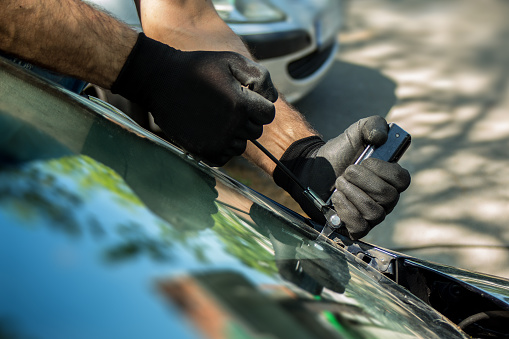
Choosing a Auto glass replacement technician
The modern economy has fierce competition for services. As a result, selecting the ideal specialist for the job is now simpler for the client. This is a result of the experts rising to the occasion in order to keep up their position of authority. Demanding the greatest services as a customer is essential if you want to maximize your investment. As a result, take careful to do adequate research before choosing a supplier. The different considerations you could make while choosing a auto glass replacement technician are explained in this post.
First, research the reputation. The expert’s reputation is very important. Only by providing the best and most appropriate services to customers can one build a solid reputation. Therefore, learning about a auto glass replacement technician’s background can help you determine whether they are qualified. You can offer them your money if they are reliable. You may also find out what the neighborhood thinks by asking them if they support the business. The reputation of an individual is what gives him or her credit among the customers. Make sure that the customers say well about the individual and that they are contented
Avoid choosing a auto glass replacement technician in a hurry if you want the best. As a result, you are advised to look for recommendations and reviews. Customers who have already purchased comparable services can provide referrals. See if you can put your trust in them. This might be a friend, relative, or coworker who is ready to put you in touch with a respectable expert. On the other side, you might search for additional referral sources. In the current atmosphere, people rely on more than just word-of-mouth. This is true because so many auto glass replacement technicians use websites and social media. They provide information on their company here. Customers have the ability to post comments or concerns on the website as well. You may be able to determine whether the person is an authority in their field based on these reviews. You might decide to hire someone else if he has received more unfavorable reviews than favorable ones. You can get in touch with a few of the consumers who have provided feedback to remove prejudice. Verify the accuracy of what they wrote.
The price of the services is another important consideration. Depending on the specialist you select and the services they provide, the pricing of the service may change. Therefore, it is your responsibility to employ someone who will meet all of your requirements at a fair price. As a result, make sure to do some price investigation. You can select a person whose price is marginally higher or lower than the predetermined amount after receiving the usual cost. It is advised that you look for several specialists, evaluate their costs, and choose the best. However, take care not to sacrifice service quality in favor of pricing. The standard of service must not change. Therefore, you should pick a pricey expert who provides top-notch services rather than a cheap one.

Why No One Talks About Anymore

Incredible Lessons I’ve Learned About