Haunted houses are a timeless means to commemorate Halloween and can supply hours of creepy enjoyable. Various haunts have various styles, however they all guarantee to scare and thrill site visitors. Some haunts will feature a single theme throughout the entire experience, while others will certainly switch over styles space by area. Haunted houses have actually advanced throughout the years from their early days. They come from the 19th century, when the Victorians brought macabre enjoyment to the public. The Grand Guignol cinema became notorious for on-stage dismemberment, and also the British amusement park of Liphook opened the first haunted residence in 1915. Haunted residences were promptly acquiring popularity as well as a taste for the macabre came to be extensive. Haunted residences can range from straightforward ghost stories to terrifying horror programs. Some haunts are open only during the Halloween season, while others continue to be open throughout the year. It is an excellent concept to look into the scare element internet site to find out which haunts are open for organization throughout October. The scare aspect additionally supplies a list of the latest haunts as well as those that have been running for many years. If you’re in New York City City, you may intend to attempt Blood Estate, which is just one of one of the most famous haunted homes in the nation. This 20,000 square-foot attraction is based in the damages of a former psychological asylum. The haunted residence attributes ghosts and spirits of individuals who passed away unfortunately. You can update your check out by purchasing an upgrade to the experience, such as a low worry degree, as well as an Extreme Fear Degree for the most frightening scares. There are numerous haunted tourist attractions in Upstate New york city. A few of them need bookings. Others need cash money only. Some of these haunts may be unsuitable for youngsters under 13. If you’re feeling brave, you can check out one of these haunts to experience the adventure of a lifetime. Simply remember to ensure you’re prepared for all type of scares. Frightening Harry as well as his gang have been haunting Saratoga Area for over 25 years. This haunted tourist attraction likewise consists of a corn labyrinth as well as a pumpkin sculpting trial. You can likewise catch a show called The Wildlife Witches Super Scary Halloween Show at Bronx Zoo. Another alternative for terrifying Halloween home entertainment is the Winchester Enigma Residence in Winchester, New Hampshire. This tourist attraction is well-known for its strange design as well as real-life ghosts. The destination is back after a two-year hiatus. Its latest attraction, Unbalanced: The Nightshade’s Curse, tells the story of the mystical Madame Nightshade.
Getting Down To Basics with
Related Post
A Brief Rundown ofA Brief Rundown of
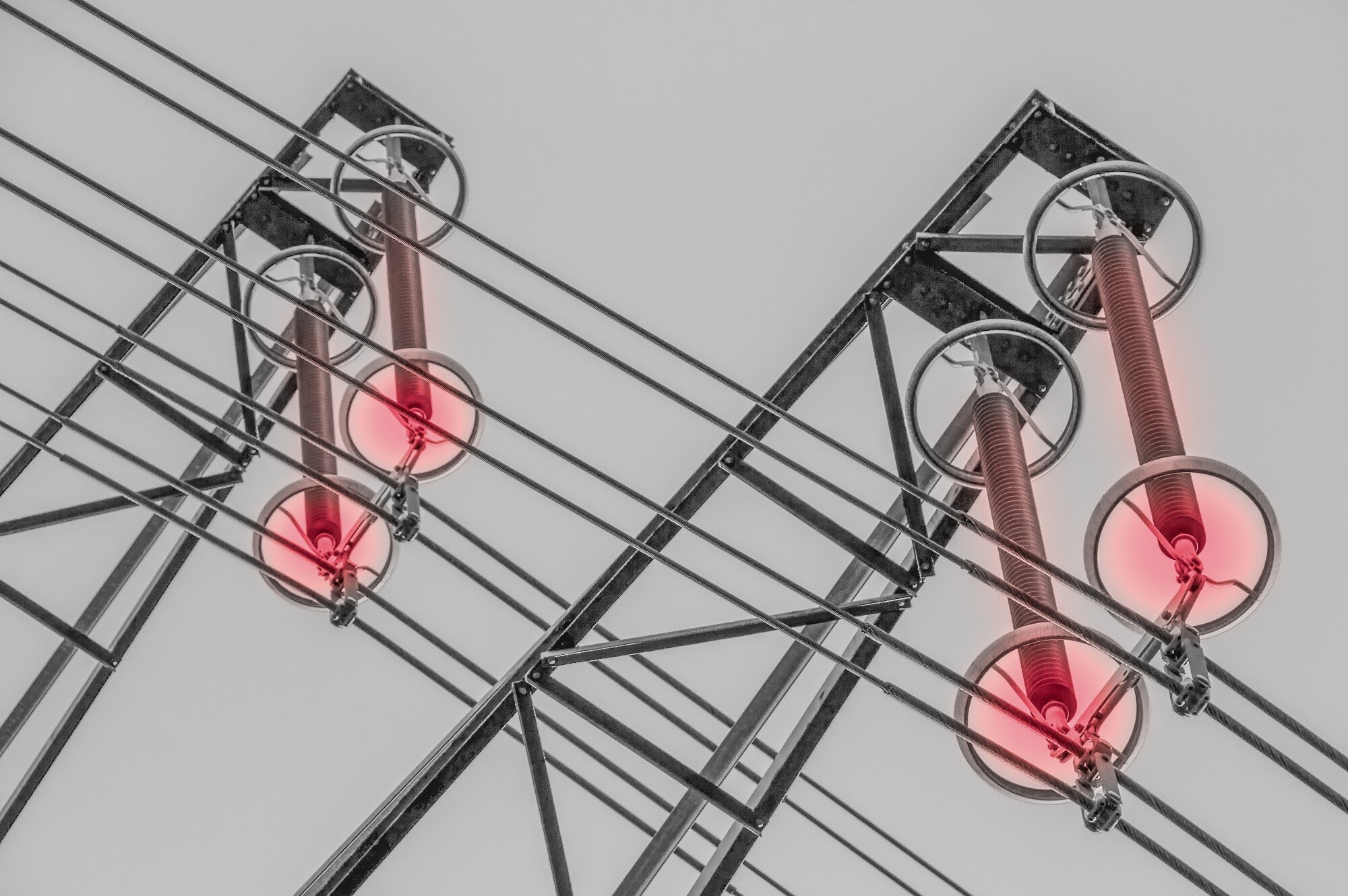
The Power of High Voltage Relay: Understanding its Role in Modern Electrical Systems
In today’s complex electrical systems, high voltage relays play a crucial role in ensuring the safe and efficient operation of various devices and equipment. These relays are designed to handle high voltage levels, typically above 1 kV, and are used to control and monitor the flow of electrical current in a wide range of applications. In this article, we will delve into the world of high voltage relays, exploring their functions, types, and applications, as well as the benefits and challenges associated with their use.
1. What is a High Voltage Relay?
A high voltage relay is an electrical device that is used to control the flow of high voltage electrical current in a circuit. It is essentially a switch that is designed to operate at high voltage levels, typically above 1 kV, and is used to turn devices on and off, or to monitor the flow of current in a circuit. High voltage relays are typically used in applications where the voltage level is too high for a standard relay to operate safely and efficiently.
2. Types of High Voltage Relays
There are several types of high voltage relays available, each designed for specific applications and voltage levels. Some common types of high voltage relays include:
* Solid-state relays (SSRs): These relays use semiconductor devices to switch the high voltage current, and are often used in applications where high speed and high accuracy are required.
* Electromechanical relays (EMRs): These relays use a mechanical switch to switch the high voltage current, and are often used in applications where high reliability and durability are required.
* Hybrid relays: These relays combine the benefits of both solid-state and electromechanical relays, and are often used in applications where high speed, high accuracy, and high reliability are required.
3. Applications of High Voltage Relays
High voltage relays are used in a wide range of applications, including:
* Power distribution systems: High voltage relays are used to control the flow of high voltage electrical current in power distribution systems, ensuring that the power is delivered safely and efficiently to homes and businesses.
* Industrial control systems: High voltage relays are used to control the flow of high voltage electrical current in industrial control systems, ensuring that the equipment is operated safely and efficiently.
* Medical equipment: High voltage relays are used in medical equipment, such as X-ray machines and MRI machines, to control the flow of high voltage electrical current and ensure the safe operation of the equipment.
* Aerospace and defense: High voltage relays are used in aerospace and defense applications, such as aircraft and missile systems, to control the flow of high voltage electrical current and ensure the safe operation of the equipment.
4. Benefits of High Voltage Relays
High voltage relays offer several benefits, including:
* Increased safety: High voltage relays are designed to operate safely and efficiently, reducing the risk of electrical shock and other hazards.
* Improved reliability: High voltage relays are designed to be reliable and durable, reducing the risk of equipment failure and downtime.
* Increased efficiency: High voltage relays are designed to operate efficiently, reducing energy losses and improving the overall performance of the equipment.
* Flexibility: High voltage relays are available in a wide range of voltage levels and configurations, making them suitable for a wide range of applications.
5. Challenges of High Voltage Relays
While high voltage relays offer several benefits, they also present several challenges, including:
* High voltage handling: High voltage relays must be designed to handle high voltage levels, which can be challenging and require specialized expertise.
* Insulation and isolation: High voltage relays must be designed to provide adequate insulation and isolation to prevent electrical shock and other hazards.
* Environmental considerations: High voltage relays must be designed to operate in a wide range of environmental conditions, including temperature, humidity, and vibration.
* Maintenance and repair: High voltage relays can be difficult to maintain and repair, requiring specialized expertise and equipment.
6. Design Considerations for High Voltage Relays
When designing high voltage relays, several factors must be considered, including:
* Voltage rating: The high voltage relay must be designed to handle the maximum voltage level of the application.
* Current rating: The high voltage relay must be designed to handle the maximum current level of the application.
* Insulation and isolation: The high voltage relay must be designed to provide adequate insulation and isolation to prevent electrical shock and other hazards.
* Environmental considerations: The high voltage relay must be designed to operate in a wide range of environmental conditions, including temperature, humidity, and vibration.
7. Testing and Verification of High Voltage Relays
High voltage relays must be tested and verified to ensure that they operate safely and efficiently. This includes:
* Voltage testing: The high voltage relay must be tested to ensure that it can handle the maximum voltage level of the application.
* Current testing: The high voltage relay must be tested to ensure that it can handle the maximum current level of the application.
* Insulation testing: The high voltage relay must be tested to ensure that it provides adequate insulation and isolation to prevent electrical shock and other hazards.
* Environmental testing: The high voltage relay must be tested to ensure that it can operate in a wide range of environmental conditions, including temperature, humidity, and vibration.
8. Future Developments in High Voltage Relays
As technology continues to evolve, high voltage relays are likely to become even more sophisticated and advanced. Some potential future developments include:
* Increased use of solid-state relays: Solid-state relays are becoming increasingly popular due to their high speed, high accuracy, and high reliability.
* Improved insulation and isolation: High voltage relays are likely to be designed with improved insulation and isolation to prevent electrical shock and other hazards.
* Increased use of hybrid relays: Hybrid relays are likely to become more popular due to their ability to combine the benefits of solid-state and electromechanical relays.
9. Conclusion
High voltage relays play a critical role in modern electrical systems, ensuring the safe and efficient operation of various devices and equipment. By understanding the functions, types, and applications of high voltage relays, as well as the benefits and challenges associated with their use, engineers and technicians can design and implement high voltage relay systems that meet the needs of their applications.
Getting Down To Basics withGetting Down To Basics with
Transforming Areas: The Benefits of Hiring a Specialist Renovation Company
In today’s hectic globe, the demand for home improvement and remodelling is greater than ever before. Whether you’re wanting to upgrade your cooking area, remodel your bathroom, or entirely redesign your home, hiring an expert renovating business can make a significant difference. These professionals not only bring a wealth of experience however additionally supply creative remedies and effective project management that can change your vision into reality.
One of the primary benefits of collaborating with a remodeling company is their competence in design and job implementation. Renovation is not almost appearances; it involves understanding building regulations, structural integrity, and reliable space application. A professional group has the abilities to approach your job holistically, guaranteeing that every detail is addressed. They can supply valuable understandings during the planning phase, recommending layout elements and materials that line up with your budget and lifestyle.
One more crucial benefit is the time and stress and anxiety conserved by employing specialists. A remodeling task can be frustrating, including multiple tradespeople, logistics, and routines to work with. A respectable renovating firm works as a task supervisor, handling all the information to make sure that you can concentrate on various other elements of your life. From acquiring needed licenses to coordinating with contractors, they guarantee that whatever runs smoothly, frequently completing the job in a fraction of the moment it would take an unskilled DIYer.
In addition, specialist renovation business can provide service warranties or warranties on their job, supplying you with comfort. Knowing that your investment is shielded can alleviate worries regarding prospective concerns occurring in the future. Not to mention, a well-executed remodel can dramatically raise your property’s value, making it a clever financial decision over time. This means that not just will you appreciate your freshly remodeled room, yet you might also see a return on your financial investment ought to you choose to offer your home.
In conclusion, employing an expert redesigning company is a beneficial financial investment for any type of house owner wanting to improve their space. With layout competence, effective job management, and warranties for assurance, these companies can transform your desire home into a reality. If you’re taking into consideration a remodel, take the leap and companion with specialists that can guide you every action of the way. Your home deserves it!
A Quick History ofA Quick History of
The Art of Aggressive Dog Training: A Comprehensive Guide
Aggressive dog training is a complex and delicate process that requires patience, understanding, and a deep connection with your canine companion. When a dog becomes aggressive, it’s often a sign of underlying issues, such as fear, anxiety, or a lack of socialization. As a responsible dog owner, it’s essential to address these issues and teach your dog alternative behaviors to replace aggression. In this article, we’ll explore the art of aggressive dog training, providing you with a comprehensive guide to help you navigate this challenging process.
Understanding Aggressive Behavior in Dogs
Before we dive into the training process, it’s crucial to understand why dogs become aggressive in the first place. Aggressive behavior in dogs can stem from a variety of factors, including:
1. Fear and anxiety: Dogs may become aggressive when they feel threatened, scared, or anxious.
2. Lack of socialization: Dogs that are not socialized properly may become aggressive due to a lack of exposure to new people, environments, and situations.
3. Medical issues: Pain, discomfort, or medical conditions can cause dogs to become aggressive.
4. Breed-specific traits: Some breeds are naturally more aggressive than others due to their breeding history and instincts.
Identifying the Root Cause of Aggressive Behavior
To effectively address aggressive behavior in dogs, it’s essential to identify the root cause of the problem. This may involve:
1. Consulting with a veterinarian: Rule out any underlying medical issues that may be contributing to the aggression.
2. Conducting a behavioral assessment: Work with a professional dog trainer or behaviorist to identify the underlying causes of the aggression.
3. Observing your dog’s behavior: Pay attention to your dog’s body language, vocal cues, and behavior to better understand what triggers the aggression.
Developing a Training Plan
Once you’ve identified the root cause of the aggression, it’s time to develop a training plan. This plan should be tailored to your dog’s specific needs and should include the following components:
1. Positive reinforcement training: Focus on rewarding desired behaviors, such as calmness and obedience, rather than punishing undesired behaviors.
2. Desensitization and counterconditioning: Gradually expose your dog to the triggers that cause aggression, while providing a positive association with the situation.
3. Redirection: Teach your dog alternative behaviors to replace aggression, such as sitting or lying down calmly.
4. Consistency and patience: Consistency and patience are key when training an aggressive dog. Avoid punishing or scolding your dog for misbehaving, as this can exacerbate the problem.
Techniques for Aggressive Dog Training
There are several techniques you can use to train an aggressive dog, including:
1. Clicker training: Use a clicker to mark desired behaviors and reward your dog with treats.
2. Reward-based training: Focus on rewarding desired behaviors, such as calmness and obedience, rather than punishing undesired behaviors.
3. Redirection: Teach your dog alternative behaviors to replace aggression, such as sitting or lying down calmly.
4. Desensitization and counterconditioning: Gradually expose your dog to the triggers that cause aggression, while providing a positive association with the situation.
Common Challenges and Solutions
Aggressive dog training can be a challenging and frustrating process, but with the right approach and mindset, you can overcome common challenges and achieve success. Some common challenges you may face include:
1. Fear and anxiety: Your dog may become fearful or anxious during training, which can exacerbate the aggression.
2. Lack of progress: You may not see immediate results, which can be discouraging.
3. Resistance to training: Your dog may resist training due to frustration or boredom.
To overcome these challenges, it’s essential to:
1. Stay calm and patient: Avoid getting frustrated or angry, as this can escalate the situation.
2. Break training into smaller steps: Divide training into smaller, manageable steps to avoid overwhelming your dog.
3. Provide positive reinforcement: Focus on rewarding desired behaviors, rather than punishing undesired behaviors.
Conclusion
Aggressive dog training is a complex and delicate process that requires patience, understanding, and a deep connection with your canine companion. By identifying the root cause of the aggression, developing a training plan, and using effective techniques, you can help your dog overcome aggressive behavior and live a happy, healthy life. Remember to stay calm, patient, and consistent, and always prioritize positive reinforcement and reward-based training. With time, effort, and the right approach, you can help your dog become a well-behaved and loving companion.
