
Hieroglyphika Financial On : My Experience Explained

On : My Experience Explained

Understanding Welding Repair: Techniques and Best Practices

Welding repair is an essential skill and practice in various industries, from manufacturing to construction. It involves the process of fixing or restoring the integrity of welded structures and components that have suffered damage due to stress, wear, or environmental factors. This article delves into the fundamental concepts of welding repair, highlighting key techniques, best practices, and the importance of safety measures in ensuring successful repairs.

One of the most common techniques in welding repair is the use of arc welding, particularly shielded metal arc welding (SMAW) and gas tungsten arc welding (GTAW). These methods are favored for their versatility and ability to repair cracks and defects in metals, such as steel and aluminum. SMAW is particularly effective due to its simplicity and the portability of equipment, while GTAW offers advantages in terms of precision and control. Knowing when to use each method is crucial for achieving a durable and reliable weld repair.

In addition to choosing the right welding technique, proper preparation of the surface to be repaired is vital. This includes cleaning the area to remove any rust, oil, or paint that could hinder the welding process. Additionally, identifying the type of material and its thickness can help determine the appropriate filler material and welding parameters to use. A thorough assessment ensures that the repair is not only effective but also long-lasting, reducing the likelihood of future failures.

Moreover, safety cannot be overlooked in the welding repair process. Welders must don appropriate personal protective equipment (PPE), such as helmets, gloves, and protective clothing, to prevent injuries from sparks, heat, and UV radiation. Ensuring adequate ventilation is also critical to mitigate exposure to harmful fumes produced during welding. Adhering to safety protocols not only protects the welder but also contributes to creating a secure work environment.

In conclusion, mastering welding repair requires a blend of technical knowledge and practical skills. By understanding different welding techniques, properly preparing the work area, and prioritizing safety, welders will be better equipped to handle repairs efficiently and effectively. With continued practice and adherence to best practices, professionals can ensure the longevity and reliability of welded structures, enhancing their overall performance and safety.

A Simple Plan For Investigating

Lessons Learned from Years with

Leave a Reply

Your email address will not be published. Required fields are marked *

Related Post

On : My Thoughts ExplainedOn : My Thoughts Explained

Ways of finding the right Screw Conveyor Manufacturer
It is important that you find out the best Screw Conveyor Manufacturer to work with when there is a need. This will require you to outsource all the information that can be useful to you. You must make sure you have experts who can guide you well in making the right decision. You ought to ensure that you take time to analyze all the data that you will be able to collect concerning the Screw Conveyor Manufacturer. This will give you the right Screw Conveyor Manufacturer that will help you in achieving the goals that you set. The following are hints that you should consider when looking for the best Screw Conveyor Manufacturer.

You need to engage other people concerning the best Screw Conveyor Manufacturer to have. You should make sure you have friends and family members who can give their ideas which will help you. It is vital that you seek help from a number of individuals for you to get various options to choose from. You will find it easy to make comparisons for the Screw Conveyor Manufacturer that you can have. You may need to get samples from these friends for what the Screw Conveyor Manufacturer can do. This will be vital to help you in selecting Screw Conveyor Manufacturer from the information and samples that you get.

There are cost implications that will come with the Screw Conveyor Manufacturer that you want. You must ensure you know the amount of money that you set for the Screw Conveyor Manufacturer that you are looking for. This will help you in planning well before you get the Screw Conveyor Manufacturer. You will need to survey the market to get the range for all the expenses you will get. This can help you to make adjustments for you to be what you want. You should look for the affordable Screw Conveyor Manufacturer that will be best for you depending on the needs that you have and the amount.

You ought to consider location when looking for the best Screw Conveyor Manufacturer. You must know places that you and prefer for the Screw Conveyor Manufacturer you are in need of. You will need to take time to go through various places looking for the best Screw Conveyor Manufacturer. You should make sure you choose the best Screw Conveyor Manufacturer that you can access with ease whenever in need. Therefore, you ought to know the best places which are secure. You may need to consider getting the Screw Conveyor Manufacturer from within. You will find it easy to get all the necessary facilities if you consider this.

You should consider the use of the internet when looking for the best Screw Conveyor Manufacturer. There are suites that grace very useful information concerning the right Screw Conveyor Manufacturer. You should make sure you have strong internet connection for the search. There are devices also that will be fast when you are searching for any content. You will find reviews for the Screw Conveyor Manufacturer that will be useful to you. You should therefore ensure you are well preparing to sue the internet to look for the Screw Conveyor Manufacturer. It is important that you view various sites.

How I Became An Expert on

The 10 Best Resources For

Learning The “Secrets” ofLearning The “Secrets” of

Understanding Commercial Construction: A Comprehensive Overview

Commercial construction is a vital sector within the broader construction industry, encompassing a wide range of building projects designed for business use. From office buildings and retail spaces to warehouses and manufacturing plants, commercial construction is instrumental in supporting economic growth and providing essential services. This article delves into the intricacies of commercial construction, exploring its phases, major challenges, and the evolving trends shaping the future of this industry.

The commercial construction process typically begins with the conceptual design and planning phase. During this stage, architects and engineers collaborate closely with clients to develop blueprints that meet both aesthetic and functional requirements. Zoning regulations, building codes, and budget considerations play crucial roles in shaping the project. A well-thought-out plan is essential to streamline the construction phase and avoid costly delays. This stage often involves securing permits and conducting feasibility studies to ensure the project is viable before construction begins.

Once the planning phase is complete, construction begins, encompassing several stages such as site preparation, foundation work, and the erection of the building structure. This process requires coordination among various contractors and subcontractors, each specializing in different aspects of construction, such as electrical and plumbing systems, HVAC installation, and interior finishes. Effective communication and project management are critical during this phase, as any miscommunication can lead to significant setbacks and increased costs.

One of the major challenges in commercial construction is managing budgets and timelines effectively. Construction projects are susceptible to delays due to unforeseen circumstances such as adverse weather conditions or supply chain issues. Additionally, fluctuations in material costs can strain budgets. To mitigate these challenges, industry professionals are adopting advanced project management tools and techniques, including Building Information Modeling (BIM) and Agile project management methodologies. These innovative approaches enhance collaboration, improve efficiency, and increase the likelihood of completing projects on time and within budget.

The landscape of commercial construction is also changing as sustainability and eco-friendliness become increasingly prioritized. Businesses are now more conscious of their environmental impact and seek to construct energy-efficient buildings. Incorporating sustainable materials, utilizing renewable energy sources, and implementing green building practices are becoming standard in the industry. This shift Towards sustainability not only benefits the environment but can also lead to long-term cost savings for businesses through reduced energy consumption.

In conclusion, commercial construction is a dynamic field that plays a crucial role in the development of infrastructure and the economy. From careful planning and execution to overcoming challenges and embracing sustainability, the commercial construction process is complex and multifaceted. As the industry continues to evolve, staying abreast of trends and technological advancements will be vital for professionals looking to thrive in this competitive landscape. Whether you are a seasoned contractor or new to the field, understanding these key aspects will help navigate the intricacies of commercial construction successfully.

Incredible Lessons I’ve Learned About

Discovering The Truth About

5 Key Takeaways on the Road to Dominating5 Key Takeaways on the Road to Dominating

“Manufacturing the Future: The Evolution of Industrial Parts”

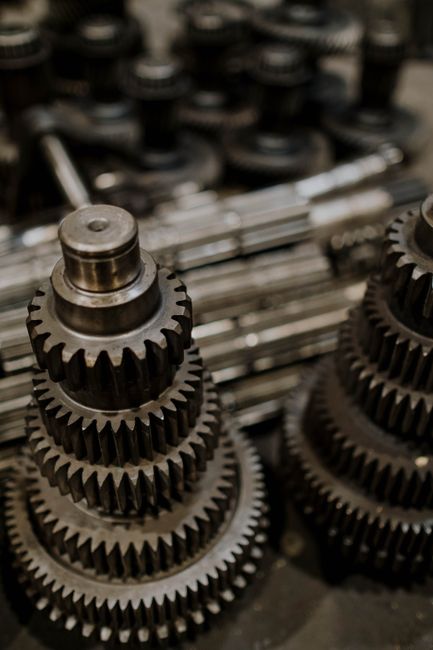
In today’s fast-paced industrial landscape, the demand for high-quality industrial parts has never been higher. As technology continues to advance and industries become increasingly interconnected, the need for reliable and efficient components has become a top priority. From machinery and equipment to vehicles and infrastructure, industrial parts play a critical role in the production and maintenance of a wide range of products and systems.

One of the most significant challenges facing manufacturers today is the need to balance quality and cost. As companies strive to reduce costs and increase efficiency, they must also ensure that their industrial parts meet the highest standards of quality and performance. This requires a deep understanding of the materials and manufacturing processes used to produce these components, as well as a commitment to continuous improvement and innovation.

In recent years, advances in materials science and manufacturing technology have enabled the development of new and improved industrial parts. For example, the use of advanced materials such as titanium and carbon fiber has enabled the creation of lighter, stronger, and more durable components. Similarly, the adoption of 3D printing and other additive manufacturing techniques has allowed for the production of complex geometries and customized parts that were previously impossible to manufacture.

Another key trend in the industrial parts industry is the increasing importance of sustainability. As companies seek to reduce their environmental impact and meet growing demands for eco-friendly products, the need for sustainable industrial parts has become a major focus. This includes the development of parts made from recycled materials, as well as the use of environmentally friendly manufacturing processes and supply chain practices.

In addition to these trends, the industrial parts industry is also being driven by the growing demand for customization and precision. As industries become increasingly specialized and complex, the need for customized industrial parts that meet specific requirements has become a major priority. This requires manufacturers to be able to produce parts with precise tolerances and customized features, while also ensuring that these parts meet the highest standards of quality and performance.

To meet these demands, manufacturers are turning to advanced technologies such as computer-aided design (CAD) and computer-aided manufacturing (CAM). These technologies enable the creation of complex designs and precise manufacturing processes, allowing manufacturers to produce high-quality industrial parts with greater speed and accuracy.

Another key factor driving the industrial parts industry is the growing importance of data analytics and IoT (Internet of Things) technology. As industries become increasingly connected and data-driven, the need for industrial parts that can collect and transmit data in real-time has become a major focus. This includes the development of sensors and other IoT-enabled components that can monitor and control industrial processes, as well as the use of data analytics to optimize manufacturing processes and improve product performance.

In conclusion, the industrial parts industry is undergoing a significant transformation driven by advances in technology, sustainability, customization, and data analytics. As companies seek to reduce costs, improve efficiency, and meet growing demands for eco-friendly products, the need for high-quality industrial parts has never been higher. By embracing these trends and leveraging advanced technologies and manufacturing processes, manufacturers can ensure that their industrial parts meet the highest standards of quality and performance, while also driving innovation and growth in the industry.

In the future, it is likely that the industrial parts industry will continue to evolve and adapt to changing market demands and technological advancements. As companies seek to stay ahead of the curve and meet growing demands for customization, sustainability, and precision, the need for innovative and high-quality industrial parts will only continue to grow. By embracing these trends and leveraging advanced technologies and manufacturing processes, manufacturers can ensure that their industrial parts meet the highest standards of quality and performance, while also driving innovation and growth in the industry.

Why No One Talks About Anymore

Lessons Learned from Years with